★ Judge.me Reviews
69%
(20)
7%
(2)
14%
(4)
3%
(1)
7%
(2)
Onion can reach 1 to 4.5 inches in diameter. Heaviest onion ever recorded had 10 pounds and 14 ounces of weight.
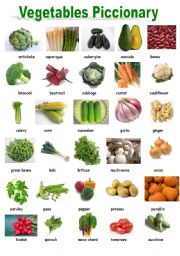
Onion develops root, bulb and green leaves. Bulb is edible part of the onion and it consists of tightly packed leaves. Outer leaves are dry and firm. They protect inner, moist and soft leaves.

6 to 8 months after planting, bulb ceases production of new leaves. Nutrients from the leaves descend to the bulb, which becomes ready for the harvest. Onion can be rounded, egg-like or torpedo-shaped. All types of onions are divided in three groups based on the color: yellow, red and white onions.



Onion was worshiped in the ancient Egypt. These plants were inevitable part of burial rituals and tombs of most rulers are covered with pictures of onion. Egyptians believed that onion possesses magic powers and that it can ensure success in the afterlife. Onion was even used as currency along with parsley and garlic.


Around 50 million tons of onions are produced each year. Average person consumes 13.7 pounds of onion annually. Onions are very popular in Libya where each person consumes 66.8 pounds of onion per year.
A good gauge of a male lion’s age is the darkness of his mane. The darker the mane, the older the lion. A lion’s heels don’t touch the ground when it walks. A lion may sleep up to 20 hours a day.